Personalized Deck Designer for Your Ideal Outdoor Space
A personalized platform can convert an typical yard into a private sanctuary. It serves not only as an visual improvement but also increases value to the property. Expert contractors understand the nuances of design, material selection, and performance. They can create areas that cater to personal living preferences. However, choosing the right builder and features can be overwhelming. As homeowners consider their choices, what key features should they focus on in their personalized deck layout?
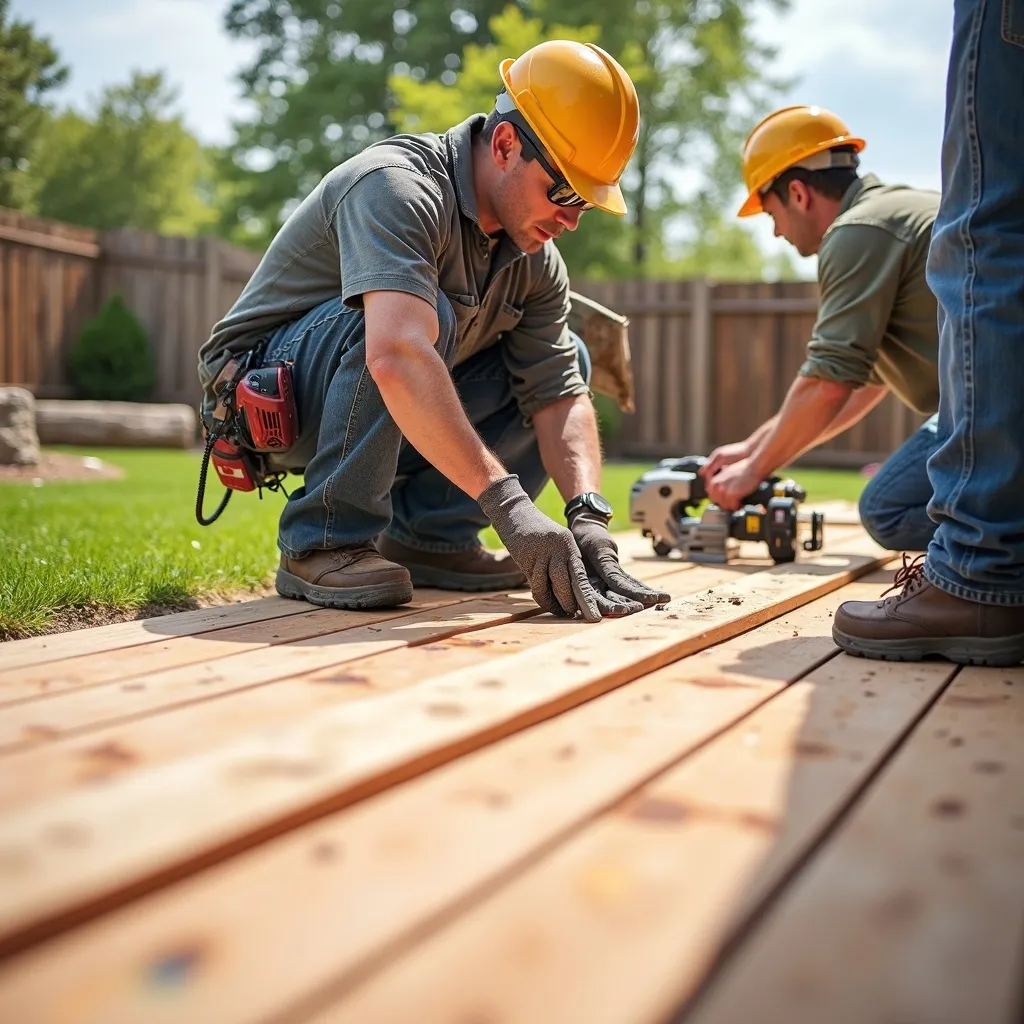
Factors to Opt for a Tailored Deck
The appeal of a custom deck lies in its capacity to transform outdoor spaces into bespoke retreats. Homeowners often pursue a unique outdoor area that expresses their style and meets specific needs. A custom deck can serve various functions, whether it is for entertaining guests, enjoying quiet moments, or facilitating family gatherings. This tailored approach allows for consideration of size, shape, and materials that work with the existing landscape and architecture.
Additionally, a custom deck improves property value, making it an attractive investment for property owners. The design flexibility can accommodate features like built-in seating, planters, or even outdoor kitchens, further enhancing the outdoor experience. Moreover, the chance to customize allows individuals to design a space that matches their lifestyle, ensuring that the deck is not just an addition to the home but an vital part of daily life, promoting connection with nature and loved ones.
Basic Features for Your Custom-Built Deck Design
When outlining a made-to-order deck, opting for the right materials is paramount for durability and aesthetics. Additionally, reflecting on design functionality validates that the space addresses the owner's needs and strengthens operational efficiency. Together, these attributes profoundly influence the general prosperity of the custom deck work.
The significance of material selection
Deciding on the right selections is essential for a custom deck design, as it directly influences both aesthetics and durability. The choice between wood, composite, and PVC can greatly affect the overall look and longevity of the deck. Natural wood offers warmth and beauty but requires regular preservation to prevent rot and weathering. In contrast, composite materials provide a more robust option, resisting fading and staining while requiring less effort. Additionally, environmentally friendly choices are becoming increasingly popular, appealing to homeowners dedicated to sustainability. The material selected also impacts costs, with each type presenting different price points. Ultimately, thoughtful material selection contributes to a deck that not only complements the outdoor space but also stands the test of time.
Design Performance Elements
Designing a custom deck involves careful consideration of purpose to optimize its functionality and pleasure. Crucial components should feature distinct spaces for food, relaxing, and socializing, confirming that each section performs its role properly. Adding permanent seating can enhance room economy, while handrails and fixtures raise safety and environment. Attention of accessibility is crucial, particularly for households or guests with mobility impairments; access ramps or wide routes can assist comfortable navigation. Furthermore, integrating storage solutions for outdoor furniture and accoutrements helps maintain a organized area. Ultimately, a carefully planned deck should harmoniously combine aesthetics with useful aspects, making an attractive outdoor space that meets the owner’s way of life and preferences.
Choosing the Best Deck Builder Tailored to You
What approach should one take when choosing the best deck builder for their project? Selecting the right deck builder necessitates thorough analysis of several key factors. First, potential clients should evaluate the builder's experience and expertise in constructing custom decks. A builder with a impressive collection of work displays their competence and style. Additionally, reading client testimonials and recommendations delivers insights into the builder's trustworthiness and standard of craftsmanship.
One essential component is confirming licenses and coverage. A reputable deck builder should hold the required permits and insurance to protect both the client and the builder during the project. Additionally, obtaining multiple quotes allows clients to evaluate pricing and services, ensuring they receive the best value for their investment.
Finally, strong communication is key. A builder who listens to the client's requirements and offers suggestions creates a cooperative environment, ultimately leading to a satisfying deck-building experience.
Important Considerations for Your Deck Design Expert?
Upon choosing the right deck builder, clients need to prepare a set of key questions to guarantee all aspects of their project are thoroughly discussed. Essential inquiries include the builder's expertise and past projects, which help assess their capabilities. Clients need to also ask about the materials incorporated, ensuring they align with their preferences for durability and aesthetics.
Asking about the project timeline is vital; understanding how long the deck construction will take helps clients organize their schedule. Clients should also talk about warranties and post-construction services, including maintenance options. It's important to explain the process for acquiring necessary permits and whether the builder will handle this task.
Furthermore, homeowners should examine the contractor's communication style and availability throughout the project. A transparent dialogue fosters a teamwork environment. These important inquiries will offer understanding, guaranteeing a successful partnership and a well-executed deck that enhances the backyard area.
Budget Management for Your Custom Deck
When considering a custom deck, understanding the financial commitment is essential for home owners. Creating a definite budget framework enables informed decisions about materials, proportions, and design features. Homeowners should commence by determining their aggregate financial resources, considering factors such as potential financing options and existing savings.
Subsequently, they ought to study the expenses connected to multiple material choices, such as wood, composite, or PVC. Each alternative varies in price and longevity, determining both initial investment and long-term maintenance costs.
Furthermore, labor expenditures should be accounted for, including retaining a professional builder versus DIY efforts. Homeowners must also review potential permits and inspections that may develop during construction.
Keeping Your Custom Deck: A Guide
Maintaining a custom deck requires routine attention to preserve its lifespan and aesthetic appeal. Homeowners should start by scrubbing the deck often to remove dirt, debris, and mold. A mild scrub with soap and water, or a specialized deck cleaner, is often sufficient. It is also crucial to inspect the deck for any signs of wear, such as loose boards or rusted nails, which should be addressed promptly to prevent further damage.
Sealing the deck periodically is necessary to guard it against moisture and UV damage. Different materials may require specific sealants, so consulting with a professional can be valuable. In addition, regular sweeping and removing snow or debris in winter will help maintain its integrity. Finally, placing furniture pads under heavy furniture can prevent scratches and dents, helping maintain the deck’s pristine look. Consistent maintenance ensures the deck examine guide stays a clean and functional outdoor space for years to come.
Regularly Asked Questions
What Is the Typical Timeframe for Creating a Made-to-Order Deck?
Commonly, building a custom deck takes about one to three weeks, based on the design complexity, chosen materials, and weather conditions. Detailed planning and preparation can expedite the operation, assuring completion within schedule.
Which Resources Are Most Suitable for Different Climates?
Wood choices like cedar flourish in temperate climates, while composite materials resist moisture in humid areas. In regions with extreme temperatures, aluminum offers durability, and treated lumber provides protection against pests and weathering.
Is it Possible to Install Features Later, Such as Illumination or Benches?
Yes, complementary additions like seating or lighting can be integrated at a future time. A strategically conceived layout enables for future changes, ensuring flexibility to evolving needs and upgrading the complete usability and visual character of the space.
Are Permits Necessary for Custom Deck Building?
Yes, authorizations are usually required for tailored deck assembly. Standards change by locality, so it's essential for homeowners to inquire with community officials to validate compliance with zoning requirements and building codes before launching the project.
What's the Best Way to Pick Your Deck Hue and Coating?
Choosing the best deck color and finish means assessing the home's exterior, surrounding landscape, and personal style. Samples should be evaluated in different lighting, guaranteeing the final choice enhances the overall aesthetic while offering durability.